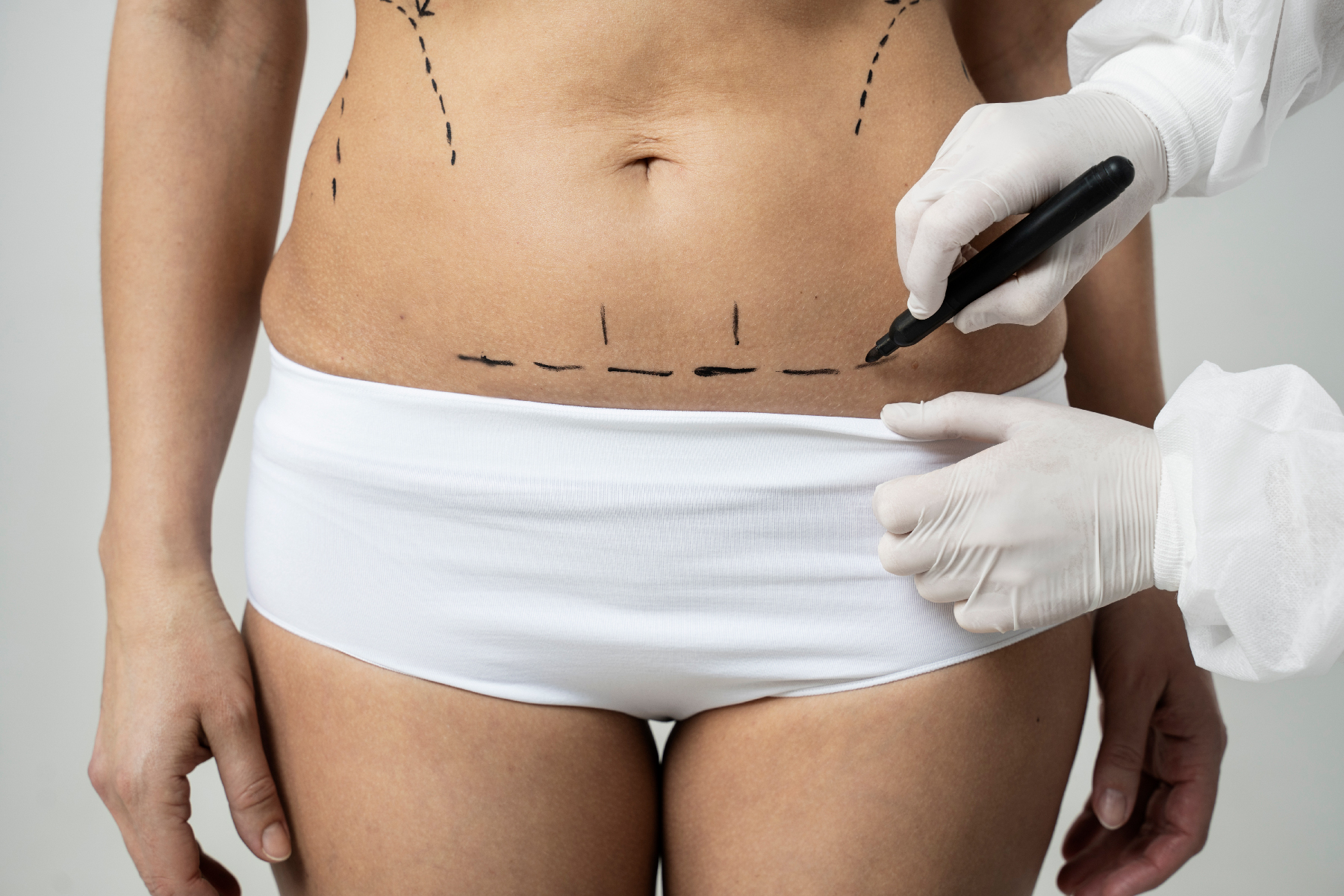
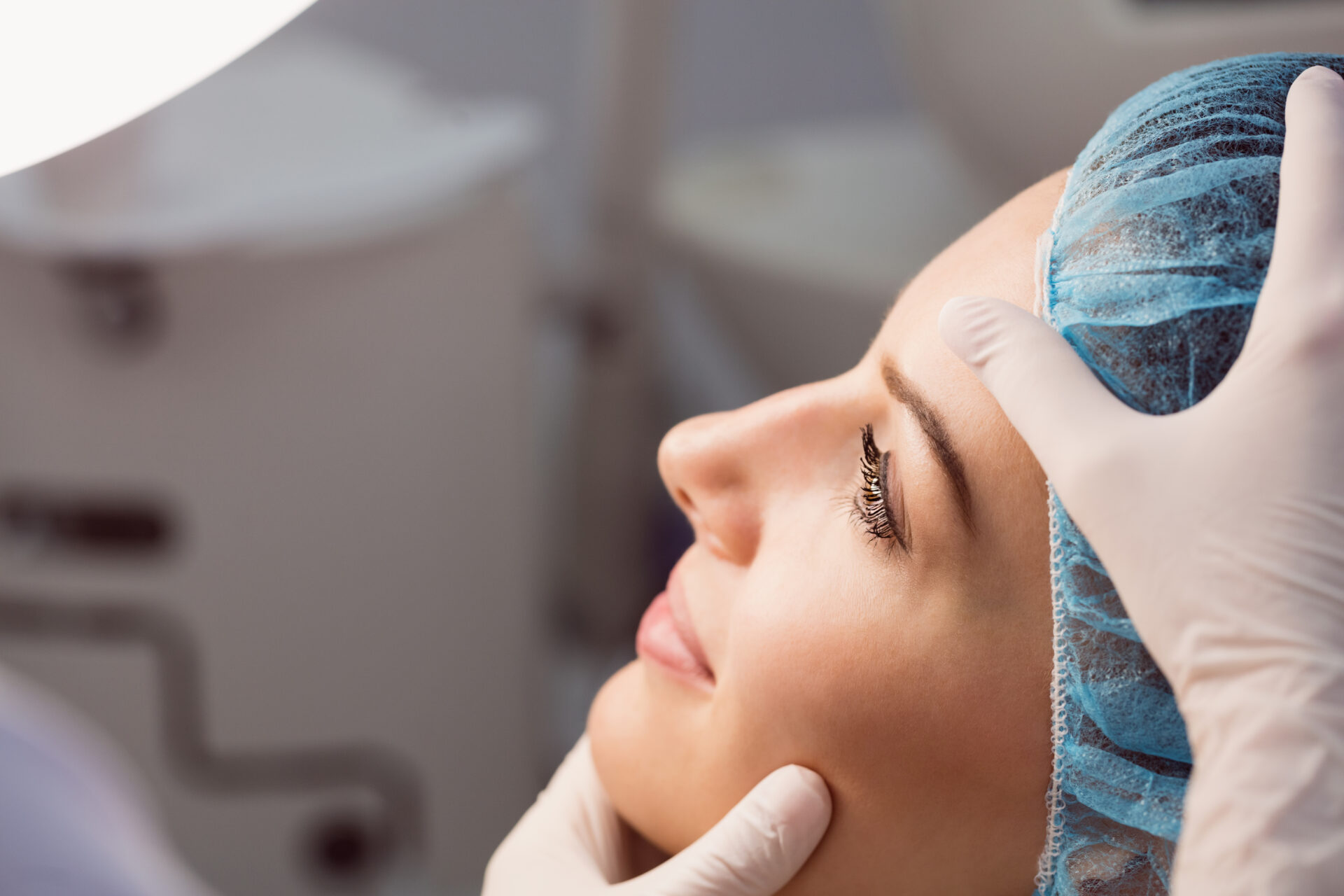
Cosmetic surgery is everywhere: Instagram, TikTok, before-and-after videos, quick makeovers, ‘all-inclusive’ packages.
But the reality in the medical world is very different from what we see on social media.
This page brings together what you really need to know before having surgery:
- what the media don't show
- something that even some surgeons fail to explain
- what REALLY makes for a good result
- the real, unvarnished risks
- the real-life timeline of the post-op period
- how to avoid the most dangerous pitfalls
- how to choose the right surgeon
- how to prepare for a safe post-operative period
For key recommendations applicable to all surgeries (facial and body):
👉 https://guide-patient.myesthetictravel.net/
Truth No. 1: There’s no such thing as a ‘perfect before and after’
On social media:
- touch-ups
- filters
- flattering angles
- controlled lighting
- muscle contractions
- over-the-top poses
- surgery + sport + touch-ups
- premature results posted 8 days post-op (unrealistic)
Surgery does not alter the anatomy:
She optimiseswhat already exists.
A reliable source:
- ASPS — Understanding Realistic Results
https://www.plasticsurgery.org
Fact No. 2: Over 50% of the outcome depends on… the post-operative period, not the operating room
Even the best surgeon in the world cannot make up for:
- poor drainage
- poorly managed oedema
- untreated fibrosis
- ill-fitting compression clothing
- poorly performed massages
- coming home too early
- a flight that came too close to the operation
- premature physical exertion
For post-operative care in your area provided by a certified specialist:
👉 https://patient-expert.myesthetictravel.net/
To help you recover as quickly as possible with the right post-operative essentials:
👉 https://myesthetictravel.com/les-incontournables/
Fact 3: Technology has a huge impact on the outcome
But nobody explains them to patients.
A few examples:
- Vaser® → high definition, precision, less trauma
- Renuvion® / J-Plasma® → deep skin tightening
- BodyTite® / FaceTite® / AccuTite® → targeted bipolar radiofrequency
- Quantum RF® → controlled surgical retraction
- Piezosurgery® → ultrasonic rhinoplasty, less bruising
- Body-Jet® / WAL → lipoedema, the gentlest technique
- SmartLipo® → superficial refinements
- Avéli® / Cellfina® → structural cellulite
- Endotine® → eyebrow/forehead lift
- RIP-ZX Care® → high-precision lateral reduction
Full article:
ARTICLE: Operating theatre technologies
International reference:
- The Aesthetic Society — Technologies & Techniques
https://www.theaestheticsociety.org/
Truth No. 4: Pain isn’t the hardest part
What surprises patients the most:
- oedema
- hardened areas
- fatigue
- difficulty sleeping
- daily fluctuations in the result
- the slow and fluctuating trend
- mental load
- the emotional impact
Pain is often manageable.
But the post-op mental aspect is the hardest part.
Fact No. 5: It takes MONTHS for the results to stabilise
The actual timeline (not the one on Instagram):
Days 0–7 → maximum oedema
Days 7–15 → deflation begins
Weeks 2–4 → visible progress
Months 1–3 → 60–70% of the result
Months 3–6 → skin that retracts
6–12 months → final result
12–18 months → some scars are still maturing
Important :
This timeline is only realistic if all pre- and post-operative care instructions have been followed, in particular:
- port continu de la gaine ou des vêtements compressifs
- hygiène de vie adaptée
- alimentation anti-inflammatoire
- hydratation suffisante
- respect des consignes médicales
- drainage post-op professionnel
- aucun sport prématuré
- protection solaire stricte
- gestion rigoureuse des cicatrices
Failure to follow these guidelines will delay recovery, increase the risk of chronic oedema and fibrosis, and affect the final outcome.
Reference:
- ISAPS — Recovery & Aftercare
https://www.isaps.org/discover/patients-home/recovery-and-aftercare/
Fact No. 6: Low-cost surgery isn’t cheaper… it’s less safe
In countries where prices are unbeatable, this is often due to:
- lack of accreditation
- lack of safety standards
- low-skilled workforce
- non-specialist surgeons
- lack of effective local oversight
- return flight too early
- unrealistic promises
- aggressive marketing
- overproduction of female patients (industrial logic)
And the majority of complications are then treated in France… with costs 5 to 20 times higher than the initial cost of the surgery.
To minimise the risks associated with surgery carried out abroad, it is recommended that you consult a surgeon or a clinic that holds the Safety Patient® accreditation, which guarantees safety, transparency and reliable post-operative care, even when receiving treatment abroad.
This label guarantees, in particular:
- clear information before the procedure
- care that meets international standards
- continuity of care following your return
- a network of certified post-operative specialists in France
Fact No. 7: Choosing the right surgeon is more important than the procedure itself
A good surgeon:
- sometimes refuses to operate
- explains the limitations
- shows real-life examples
- in a very specific field
- uses appropriate technologies
- monitors the patient after surgery
- works in an accredited clinic
Verifiable references:
- SOFCEP — https://www.sofcep.fr
- ISAPS — https://www.isaps.org
- ASPS — https://www.plasticsurgery.org
Fact No. 8: Support makes all the difference
To analyse your project, avoid mistakes, compare options and ensure everything runs smoothly:
👉 https://mon-projet-esthetique.myesthetictravel.com/accompagnement-personnalise-met
For post-operative care (face or body), at a beauty salon or at home:
👉 https://patient-expert.myesthetictravel.net/
To find out the essential basics that apply to all surgical procedures:
👉 https://guide-patient.myesthetictravel.net/
FAQ: the questions everyone is asking (but few dare to ask)
Q: Are the results achieved by celebrities realistic for “ordinary people”?
No. Most celebrities rely on a combination of cosmetic surgery, exercise, nutrition, photo retouching and styling.
Q: Can we really choose everything?
No. It always comes down to anatomy.
Q: Does technology replace the surgeon’s expertise?
No. They enhance it, but they never make up for a poor operator.
Q: Can drainage really make a difference to the outcome?
Yes. It accounts for 50% of facial and body recovery.